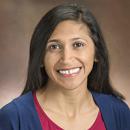


Kirsty Hillier, MD

Elucidating the Role of Autoreactive Extrafollicular B Cells in Pediatric Immune Thrombocytopenia

Year:
-
Grants:
Career Development Award
NBDF-Sanofi
Author(s):
Dr. Kirsty Hillier
Institution:
New York University Grossman School of Medicine, New York City, New York

Kirsty Hillier, MD, is an Assistant Professor of Pediatric Hematology/Oncology at NYU Grossman School of Medicine and an Attending Physician at Hassenfeld Children’s Hospital at NYU Langone. Dr. Hillier is a physician-scientist dedicated to improving outcomes for children with autoimmune cytopenias. After earning her medical degree, she completed her pediatric residency and chief residency at Texas Children’s Hospital/Baylor College of Medicine. She subsequently completed her Pediatric Hematology/Oncology fellowship at Boston Children's Hospital/Dana-Farber Cancer Institute, where she trained in immunohematology and explored autoreactive B cell biology in the lab of Dr. Shiv Pillai at the Ragon Institute of Mass General Brigham, MIT, and Harvard.

In her current role, Dr. Hillier conducts translational research to investigate immune cytopenia biology and outcomes. Her project focuses on understanding B cell dysfunction in immune thrombocytopenia (ITP), including its impact on chronicity and severity of disease. She is particularly interested in integrating bioinformatics and immunology tools to uncover mechanisms of immune dysregulation in pediatric ITP.


 

Dr. Saurabh Kumar

The Role of the Tfh/Tfr Pathway in FVIII Immune Responses in Hemophilia A Mice

Year:
-
Grants:
Judith Graham Pool Postdoctoral Research Fellowship
NEHA Postdoctoral Research Fellowship Award
Author(s):
Dr. Saurabh Kumar
Institution:
Versiti Blood Research Institute, Milwaukee, Wisconsin

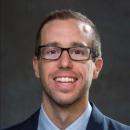
Dr. Saurabh Kumar is working as a postdoctoral fellow in Dr. Qizhen Shi’s lab at the Versiti Blood Research Institute, Milwaukee, Wisconsin. He received his Ph.D. from the CSIR-Central Institute of Aromatic and Medicinal Plants/Jawaharlal Nehru University, India. As a recipient of the JGP Fellowship, he will investigate the role of the Tfh/Tfr pathway in the immune responses to FVIII during the development of FVIII inhibitors in hemophilia A (HA) mice. His goal is to develop new interventions that can prevent FVIII immune responses in HA patients and help establish effective immune tolerance in those with inhibitors.

Dr. Alice Todaro

Understanding Biology and Regulation of FV-short

Year:
-
Grants:
Judith Graham Pool Postdoctoral Research Fellowship
Author(s):
Dr. Alice Todaro
Institution:
The Children’s Hospital of Philadelphia, Philadelphia, Pennsylvania

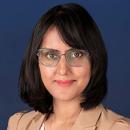
Alice Todaro, PhD is a recipient of the NBDF Judith Graham Pool (JPG) Postdoctoral Research Fellowship. She completed her PhD in Biochemistry and Molecular Biology at CARIM (Cardiovascular Research Institute Maastricht), Maastricht University, The Netherlands. Currently, she is post-doctoral fellow at the Children’s Hospital of Philadelphia. With the support of JGP fellowship, her research will focus on understanding the regulation and functions of coagulation factors in hemostasis, the physiological process by which the body stops bleeding and repairs damaged blood vessels. This research may uncover new therapeutic targets for bleeding disorders in order to restore the hemostatic balance.

Dr. Doshi Bhavya

Unraveling the Cytokine and Cellular Immune Responses Underlying FVIII Immunogenicity

Year:
-
Grants:
NBDF-Sanofi
Career Development Award
Hemophilia A
Hemostasis
Quality of Life
Author(s):
Dr. Doshi Bhavya

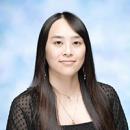
Bhavya Doshi, MD, is a Pediatric Hematologist at the Aflac Cancer and Blood Disorders Center at Children's Healthcare of Atlanta and an Assistant Professor Pediatrics at Emory University School of Medicine. She is a physician-scientist specializing in the care for children with bleeding and clotting disorders who employs multiple research approaches to improve diagnostics and therapeutics for patients with bleeding disorders.

 Her research focuses on hemophilia; a bleeding disorder treated with clotting factor medicine. Some patients develop “inhibitors,” which are antibodies that block the treatment and make it stop working. These inhibitors can lead to more serious bleeding problems. Dr. Doshi’s work studies how changes in the immune system cause inhibitors to form. She examines immune cells, immune signals in the blood, and genetic differences using patient samples and laboratory models. The ultimate goal of this work is to improve care for people with hemophilia by identifying patients at higher risk, supporting more personalized treatment, and developing new ways to prevent inhibitors.

Our research focuses on understanding why some people with hemophilia A develop inhibitors that make treatment less effective, especially with new non-factor therapies. We aim to uncover how certain immune responses, like cytokine and cell activity, contribute to the development of these inhibitors. Specifically, we are studying a protein called BAFF and its role in influencing immune cells, though it’s still unclear what causes high BAFF levels. Our findings could lead to new biomarkers and treatments for preventing inhibitor development.

Merika Hawes, MSW, LMSW

Emergency Preparedness in Bleeding Disorders Patients

Year:
-
Grants:
Social Work Excellence Fellowship
Author(s):
Merika Hawes, MSW, LMSW
Institution:
Augusta University, Augusta, Georgia

Merika Hawes, MSW, LMSW, is the Hemophilia Social Worker at the Augusta University Pediatric Hemophilia Treatment Center at the Children’s Hospital of Georgia in Augusta, Georgia. Since 2021, she has worked with children, teens, and families who have bleeding and clotting disorders. She earned her Master of Social Work degree from the University of South Carolina in Columbia, South Carolina. The “Emergency Preparedness of Bleeding Disorders” research is designed to help patients get ready for natural disasters. It aims to lower anxiety during emergencies, reduce PTSD symptoms after disasters, and decrease depression following natural disasters.

Arthur Long, DPT, OCS

Strength in Numbers: Quantifying Grip Strength as a Clinical Assessment Tool in People with Bleeding Disorders

Year:
-
Grants:
Physical Therapy Excellence Fellowship
Author(s):
Arthur Long, DPT, OCS
Institution:
University of California, San Francisco, California

Arthur Long, DPT, OCS is a board-certified orthopedic physical therapy specialist and faculty member at the University of California, San Francisco (UCSF). He teaches orthopedics in the UCSF Doctor of Physical Therapy program and treats patients at the UCSF Adult Hemophilia Treatment Center. He also volunteers with community programs such as Camp Hemotion, where he supports youth living with bleeding disorders.

His NBDF-funded project, Strength in Numbers, examines whether hand grip strength testing can serve as a useful clinical measure to include during routine joint health testing for people with bleeding disorders. While grip strength is well studied as a measure of overall health in other groups, it has not been evaluated for people with bleeding disorders. This study explores how grip strength relates to daily function and grip strength may differ in people with bleeding disorders compared to the general population. The findings may help clinics better track joint health, guide treatment decisions, and identify problems earlier. This supports NBDF’s mission to reduce complications and improve care for the bleeding disorders community.

Caroline Trotter

Identifying Vitamin D Deficiency in Adolescents with a Bleeding Disorder Receiving Treatment for Heavy Menstrual Bleeding: A Preliminary Study

Year:
-
Grants:
Nursing Excellence Fellowship
Author(s):
Caroline Trotter
Institution:
Children’s Healthcare of Atlanta, Atlanta, Georgia

Caroline Trotter, CPNP-PC/AC, is a pediatric nurse practitioner at the Hemophilia of Georgia Center for Bleeding and Clotting Disorders within Children’s Healthcare of Atlanta and Emory University. She received her Master of Science in Nursing from the University of Alabama at Birmingham and is certified in both primary and acute care.  She has worked within the hemophilia treatment center for almost 5 years and has developed a passion for this population. 

Her research focuses on girls with bleeding disorders and heavy menstrual bleeding. Current projects are aimed at creating a screening and treatment process for Vitamin D deficiency in these patients as well as comparing vitamin D levels across various heavy menstrual bleeding treatment regimens. As there is not currently a vitamin D screening guideline, this research may help identify a gap in care.

Dr. Marie Alice Hollenhorst, MD

Towards Improved Diagnostic Assays for Immune Thrombocytopenia Syndromes by Defining the Glycosylation of Platelet Glycoprotein IIb

Year:
-
Grants:
NBDF-Sanofi
Career Development Award
Author(s):
Dr. Marie Alice Hollenhorst, MD

Marie Hollenhorst, MD, PhD is a physician-scientist and non-malignant hematologist. She is Assistant Professor of Medicine at Harvard Medical School and Associate Physician in the Division of Hematology at Brigham and Women's Hospital. She completed her MD and PhD at Harvard. She completed a residency in internal medicine, a fellowship in blood banking/transfusion medicine, a fellowship in hematology, and postdoctoral scientific training in chemical glycobiology. Her research lab uses biochemical approaches to study carbohydrate structures (called glycans) that impact bleeding and clotting. Her NBDF-funded research project is motivated by a desire to improve diagnostic assays for patients that have diseases driven by anti-platelet antibodies. There are several diseases where antibodies can bind to platelets and trigger their accelerated clearance, leading to low platelet counts and a risk for bleeding. In many cases, these disorders can be challenging to diagnose as the assays that can be used clinically to detect these anti-platelet antibodies are not always accurate. Dr. Hollenhorst and her team think that one reason that the current assays are not more useful may be that these anti-platelet antibodies bind to certain glycan structures that are as yet uncharacterized. They are working to characterize these glycan structures and determine to what extent they are relevant for anti-platelet antibody binding. It is their hope that this work will lead to the development of improved diagnostic assays for disease such as fetal and neonatal alloimmune thrombocytopenia and immune thrombocytopenia.

Dr. Huong Chau

Elucidating the Innate Immune Response to Factor IX through a Hemophilia B Mouse Model

Year:
-
Grants:
Judith Graham Pool Postdoctoral Research Fellowship
Hemophilia B (Factor IX/F9)
Hemostasis
Prophylactic Therapy
Author(s):
Dr. Huong Chau

Huong Chau, PhD, earned her Bachelor of Science in Biomolecular Engineering from Santa Clara University in 2019 and her Ph.D. in Integrative Pathobiology from University of California, Davis in 2024. She is currently a postdoctoral researcher at the Stanford University in the Department of Pediatrics where she works in Dr. Glaivy Batsuli’s lab. The Batsuli Lab’s research focus is on the immune response against coagulation factors missing in hemophilia. 

Hemophilia B is a bleeding disorder that results in bleeding after injuries or even without injury. Treatment involves replacing the missing blood clotting protein factor IX. However, some patients develop “inhibitors,” which are harmful antibodies that the immune system produces that block the treatment from working. Dr. Chau’s research studies why this happens and looks for ways to prevent the body’s natural defense against the factor IX treatments needed by people living with hemophilia B. 

Dr. Marisa Brake

The Role of Tissue Factor in Blood Coagulation Activation and Bleeding risk in Mice and Humans

Year:
-
Grants:
Judith Graham Pool Postdoctoral Research Fellowship
Author(s):
Dr. Marisa Brake

Marisa Brake, PhD, is a postdoctoral fellow at Beth Israel Deaconess Medical Center in Boston, MA. She earned her PhD in Biomedical Sciences from Oakland University in Michigan. Dr. Brake studies how differences in our genes can raise the risk of bleeding or blood clots. Her current project focuses on changes in a protein called tissue factor (TF), which is the first signal that helps the blood start to clot. Having low levels of TF is very rare, and it has not been well studied in many people. Dr. Brake has found a small group of people who have lower TF levels, and she is working to understand how this affects their clotting and bleeding risk. This research will help show how TF deficiency may impact bleeding risk in the wider population.

NBDF Drops

Bleeding Disorders Research Collaborative

Year: 2025
Grants:
N/A
BDRC
Author(s):
Leonard A. Valentino, Maria E. Santaella, Michelle L. Witkop, Raymond Stanhope, Sammie Valadez, Samantha A. Carlson, Halli Benasutti, Donna DiMichele, and Michael Recht

The Bleeding Disorders Research Collaborative (BDRC) aims to advance an accessible standard of care and quality of life for all people living with inheritable bleeding disorders. This goal will be achieved through collaborative and meaningful scientific inquiry, coordinated by an efficient research infrastructure, and undertaken by a diverse, capacitated workforce in partnership with an engaged community. The BDRC is supported by facilitative research policy and grounded in the principles of health equity, diversity, inclusion, accessibility, and belonging, striving for dignity, safety, well-being, and opportunities leading to health justice. Importantly, the initiative is fully informed by Lived Experience Experts, people affected by inheritable bleeding disorders, who are key members in the research development, implementation, and dissemination team.

Read More

Dr. Luisanna Sanchez-Ventura

Clinical and Molecular Profiles Associated with Robust and Sustained Hydroxyurea Response for Patients with Sickle Cell Disease

Year:
-
Grants:
Jeanne Marie Lusher Diversity Fellowship
Pediatrics
Sickle Cell
Hydroxyurea
Author(s):
Dr. Luisanna Sanchez-Ventura

Dr. Luisanna Sánchez is a pediatric hematologist at Innovative Hematology and the Indiana Hemophilia & Thrombosis Center in Indianapolis, where she cares for children and adolescents with inherited blood disorders. She is board certified in Pediatric Hematology/Oncology and is deeply committed to advancing clinical research that improves care and long-term outcomes for patients and families affected by blood disorders. Dr. Sánchez’s clinical and research work focuses on sickle cell disease, iron deficiency anemia, and expanding access to evidence-based care for young people with blood disorders. She has led national and international research collaborations, contributed to clinical guidelines and education initiatives, and is dedicated to developing patient-centered research that translates scientific discoveries into better everyday care.

Dr. Sánchez’s NBDF-supported research studies why some children with sickle cell disease respond better than others to hydroxyurea, a medication that helps prevent pain, organ damage, and other serious complications. Her project examines clinical and blood cell patterns to better understand how this treatment works and why responses differ between patients. The goal is to help doctors predict which patients will benefit most and how treatment can be optimized earlier in life. By supporting more personalized treatment approaches, this work aims to reduce complications, improve quality of life, and help families feel more confident that treatments are working, advancing NBDF’s mission to prevent complications and improve outcomes across the bleeding and blood disorders community.

NBDF Drops

Breaking Barriers: Self-Reported Diagnosis Delays in Bleeding Disorder Patients by Birth Sex

Year: 2025
Grants:
CVR
Author(s):
Maria E Santaella, PhD(c), MSN, RN-BC; Samantha A Carlson, LMSW; Paxton Mills; Marissa Johns; Cynthia Nichols, PhD

This analysis aimed to describe the time from symptom onset to diagnosis (TTD) by birth sex and bleeding disorder (BD) type, using self-reported data from Community Voices in Research (CVR), a community-based registry supported by National Bleeding Disorders Foundation that collects data from people with bleeding disorders (PWBD).

Read More

Dr. Kenneth Childers

Structural Investigation of Activated Factor VIII and the Intrinsic Tenase Complex by Single-Particle CryoEM

Year:
-
Grants:
Judith Graham Pool Postdoctoral Research Fellowship
FVIII/FVIX Deficiency
Author(s):
Dr. Kenneth Childers

I received by BS in Biochemistry from the University of Arizona in 2012. I then received my PhD at the University of Maryland, Baltimore County while studying under Dr. Elsa D. Garcin. I am currently a postdoctoral scholar at Western Washington University under Dr. P. Clint Spiegel. Our research focuses on the structure/function of activated coagulation factor VIII and factor IX and how the two proteins bind to lipid membranes to form the intrinsic tenase complex. The results from this research will elucidate the mechanism behind hemophilia A/B-associated missense mutations and how factor replacement therapeutics can be rationally designed for increased pharmacokinetic properties.

NBDF Blood Drops

Comorbidities in Bleeding Disorders: Sex and Ethnicity-Specific Insights

Year: 2025
Grants:
CVR
Author(s):
M. Bloomberg, C. Nichols, M. E. Santaella, University of Miami Hemophilia Treatment Center, Miami, FL; and National Bleeding Disorder Foundation

Describe the self-reported comorbidities (SRC) in PWBD, using data from Community Voices in Research (CVR), a registry aimed at collecting the experience of persons affected by these disorders and supported by National Bleeding Disorders Foundation.

Read More

Louise Baca

Outreach in Rural Maine: Identifying New Patients and Establishing New Satellite Sites for New and Established Patients

Year:
-
Grants:
Nursing Excellence Fellowship
Education
HTC
Comprehensive Care
Author(s):
Louise Baca

Louise Baca, MSN, RN, has over 40 years of healthcare experience, primarily specializing in oncology. She has worked in various settings, including inpatient oncology, outpatient infusion, clinical research, and as a nursing instructor. For the past 14 years, she has served in an administrative role, currently as Senior Director at Maine Medical Center, where she leads the MaineHealth Bleeding Disorders program. Under her leadership, the program has grown significantly, expanding from 2.5 to 15 FTEs and enhancing patient care in Maine and New Hampshire. Louise also serves on several committees, including the Hemophilia Alliance Board of Directors and the New England Regional Executive Committee, and has presented nationally on healthcare topics.

This project is a nurse led project (APNs and RN’s) and focuses solely on developing relationships with nurses and other clinicians in rural areas. As the only HTC in the state, it is the responsibility of the MaineHealth Bleeding Disorder nurses to educate other nurses in rural parts of Maine who will be the first point of contact. This work will create a blueprint for nurses, providing them with comprehensive information and practical ideas that can easily be implemented and assist them in caring for patients living in rural areas. These successful strategies will allow for the sharing of best practices ultimately elevating the standard of nursing care across all HTCs.

CC Cook

Identifying and Addressing Gaps in Care Among Menstruating Individuals in Utah

Year:
-
Grants:
Social Work Excellence Fellowship
Adolescents
Adults
Comprehensive Approach
Comprehensive Care
Education
Females
Genger-Based Differences
Menstrual
Patients
Quality of Life
Resilience
Women
Author(s):
CC Cook

CC is a Hematology Social Worker & Health Equity Specialist at the Utah Center for Bleeding and Clotting Disorders at Primary Children’s Hospital in Salt Lake City, UT. She works primarily with children and adolescents with bleeding disorders, and she has a special interest in the sickle cell disease population. In May 2024, CC obtained a master's degree in both Social Work and Public Health from the University of Utah. In her current position, she is looking to strengthen her clinical skills, learn about her patients' needs, and advocate for better health outcomes for the most vulnerable members of the community.

The purpose of this project, "Identifying and Addressing Gaps in Care Among Menstruating Individuals in Utah," is to better understand the gaps that exist in caring for individuals in Utah with heavy or prolonged menstrual bleeding, as well as implement interventions to address these gaps. Such interventions may include working with primary care providers to screen for individuals with heavy periods, educating medical professionals on the treatment that is available for the management of heavy or prolonged periods, and ensuring that referrals made to specialists by primary care physicians are efficient and appropriate. 

John DeLoach

Assessing the Therapeutic Effects of Exercise on Vascular Access, Trypanophobia, and Kinesiophobia in Patients with Hemophilia

Year:
-
Grants:
Physical Therapy Excellence Fellowship
Children
Chronic Pain
Comprehensive Approach
Exercise
Exercise Program
Hemostasis
Patients
Pediatrics
Prophylactic Therapy
Quality of Life
Resilience
Stress
Author(s):
John DeLoach

John “Jack” DeLoach, DPT, specializes in outpatient pediatrics and early intervention. He has worked at UF Health Rehab Center and Kids on the Move in Gainesville for the past three years, treating a wide range of patients in clinical, home, and telehealth settings. In addition to his clinical work, John serves as an adjunct faculty member at the University of Florida and is the physical therapist for the Hemophilia and Hemostasis Treatment Center. His expertise includes piloting telehealth programs, advancing joint health clinics, and providing care in critical care settings for both pediatric and adult patients.

People with hemophilia receive regular clotting factor infusions in order to prevent bleeds, as well get routine blood draws during clinic visits. Vascular access can be difficult in children with hemophilia and can become a stressor, impacting compliance with medication schedules and attitudes toward healthcare systems and procedures. This project aims to explore the impact of exercise on the ease of vascular access. We hope to show that regular exercise, as well as exercise immediately before an infusion/blood draw, will make accessing veins easier. We will also collect data on the impact of our protocol on fear of needles and fear of movement/exercise, in hopes that easier vascular access will decrease fear.  

Tam E. Perry, MSSW, MA, PhD

Aging with Hemophilia: Understanding the varied experiences of living with changed time horizons

Year:
-
Grants:
Social Work Excellence Fellowship
Aging
Author(s):
Tam E. Perry, MSSW, MA, PhD

Dr. Tam E. Perry is an associate professor at Wayne State University School of Social Work.  Her research addresses urban aging from a life course perspective, focusing on how underserved older adults navigate their social and built environments in times of instability and change. She is co-director of the NIH funded Community Liaison and Recruitment Core of the Michigan Center for African American Aging Research. She also currently serves as research chair for a multi-agency coalition, Senior Housing Preservation Detroit. She has recently been selected to be a fellow in the Gerontological Society of America and is the past-president of the Association for Gerontology Education in Social Work (AGESW).

She became interested in the hemophilia community as she learned more its history, resilence and advocacy and vulnerability. She is excited that she is meeting more individuals touched by this research topic and has enjoyed sharing the work in a variety of venues.


Sara L. Schwartz, PhD, MSW

Aging with Hemophilia: Understanding the varied experiences of living with changed time horizons

Year:
-
Grants:
Social Work Excellence Fellowship
Aging
Author(s):
Sara L. Schwartz, PhD, MSW

Dr. Sara L. Schwartz, PhD, MSW is an Associate Teaching Professor in The University of Southern California Suzanne Dworak-Peck School of Social Work. In this role, Dr. Schwartz teaches across the master and doctoral programs and recently founded the Visual Social Work Certificate Program. Her scholarship focuses on the experiences of aging with hemophilia and HIV/AIDS from a tauma informed perspective; the intersectional experiences of religion, race and history; and building a visual social work methodology. For the past five years, Dr. Schwartz has served on the Board of the Directors for the National AIDS Memorial and previously served on the Board of The HIV Story Project in San Francisco.